
July 14, 2026
What Emergency Heat on Your Thermostat Really Does
Emergency heat sounds serious, but it is usually just a backup heat mode for homes with heat pumps. When you turn it on, the thermostat tells the system to stop using the outdoor heat pump and use a backup heat source instead. That backup may be electric heat strips, gas, oil, or another heater tied to the system. This setting matters because it can raise your power bill fast. It may also point to a heat pump, thermostat, or airflow problem. The same HVAC system that heats your home may also need cooling service, so air conditioning repair can fit into the bigger service picture when comfort problems show up.
What Does Emergency Heat Do on a Thermostat?
What Happens to the Outdoor Heat Pump?
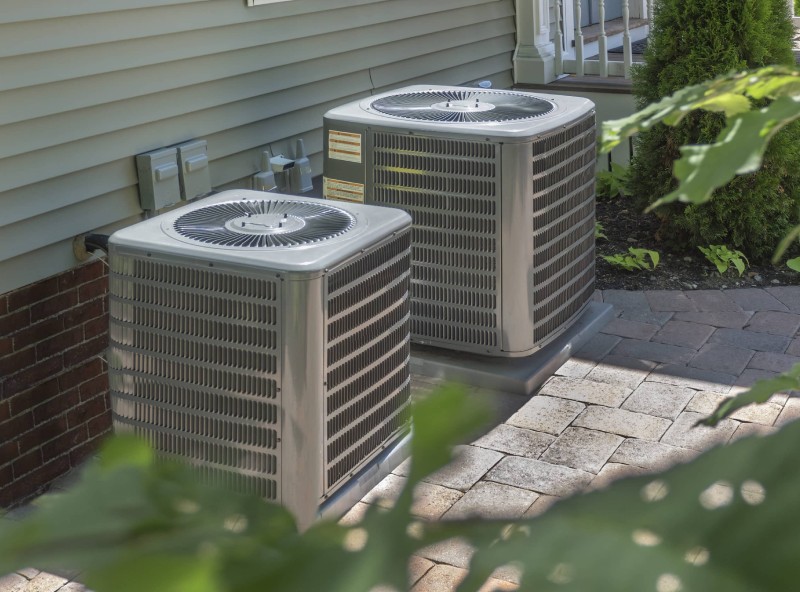
Emergency heat changes the way a heat pump system makes heat. In normal heat mode, the outdoor unit pulls heat from outside air and moves it into the home. That can work even when the air feels cold. When you switch the thermostat to emergency heat, the thermostat tells the system to stop using the outdoor heat pump for heating. The outdoor fan and compressor may shut off. That does not always mean the outdoor unit is broken. It may mean the thermostat has locked it out by design. This setting helps when the heat pump cannot heat the home due to ice, storm damage, a failed part, or another system problem. It should not be used as a normal comfort setting.
What Does the Backup Heat Source Do?
The backup heat source takes over when emergency heat is turned on. In many homes, that backup source is electric heat strips inside the indoor air handler. These strips heat up like a large electric heater. The blower then moves warm air through the ducts. In some homes, the backup source may be a gas furnace, oil furnace, or another tied in heating system. The goal is simple. It gives the home heat while the heat pump is not doing that job. The tradeoff is energy use. Electric heat strips often cost more to run than the heat pump. That is why emergency heat works best as a temporary setting, not a daily heating choice.
When Should I Turn On Emergency Heat?
What Heat Pump Problems Need Backup Heat?
Turn on emergency heat when the heat pump cannot heat the home on its own. This setting is meant for a real system problem, not normal cold weather. Use it when the outdoor unit will not run, the fan is not moving, or the unit has heavy ice that does not clear during a defrost cycle. It can also help after storm damage, a broken compressor, or a loud mechanical noise from the outdoor unit. Weak heat from the vents can point to low airflow, dirty coils, low refrigerant, or a failing part. Emergency heat can keep the home warm while the main heat pump issue gets checked. It should act as a short term safety net, not a daily heat setting.
What Cold Weather Signs Do Not Mean Emergency Heat Is Needed?
A heat pump may run for a long time during cold weather. That does not always mean something is wrong. Heat pumps often move warm air at a lower temperature than a gas furnace, so the air from the vents may feel mild instead of hot. The outdoor unit may also enter defrost mode. During that cycle, steam may rise from the unit, and the fan may pause for a short time. That can look strange, but it can be normal. The thermostat may also show AUX heat during a big temperature jump or a cold night. That does not mean you need to turn on emergency heat. Use the setting only when the heat pump seems unable to run or heat the home.
Why Is Emergency Heat More Expensive?
Why Do Electric Heat Strips Use More Power?
Electric heat strips use more power because they create heat directly from electricity. They work a lot like a large space heater inside the air handler. The system sends power to metal heating elements. Those elements get hot. Then the blower pushes warm air through the ducts. This process can heat the home, but it often uses much more electricity than normal heat pump mode. A heat pump moves heat from outside air into the home. It does not create all the heat by itself. That is why normal heat mode can use less energy. Emergency heat can feel helpful during a system problem, but it can raise the power bill fast. Long run times, dirty filters, and leaky ducts can make that cost even worse.
What Changes With Gas, Oil, or Dual Fuel Backup?
Not every backup heat source works the same way. Some homes use gas, oil, or a dual fuel setup instead of electric heat strips. In a dual fuel system, the heat pump handles mild weather. The furnace takes over when outdoor temperatures drop or the heat pump needs help. The cost depends on fuel prices, system age, home size, duct condition, and thermostat setup. Gas or oil backup may heat the home faster than electric strips in some cases. Still, it should switch on for the right reason. A thermostat that calls for backup heat too often may have a setting issue, wiring problem, or equipment fault. If emergency heat runs often, the system needs a closer look before energy costs climb.
Why Does My Thermostat Say AUX Heat?
When Is AUX Heat Normal?
AUX heat means auxiliary heat. It is a backup heat that turns on by itself when the heat pump needs help. This can be normal during very cold weather. It can also happen when you raise the thermostat several degrees at once. The heat pump may need time to catch up, so the thermostat calls for backup heat to warm the home faster. AUX heat may also appear during a defrost cycle. During that cycle, the outdoor unit melts ice from the coil. The system may use backup heat so the indoor air does not feel too cool. AUX heat becomes a concern when it stays on for long periods, turns on during mild weather, or runs every time the system starts.
What Smart Thermostat Settings Can Trigger AUX Heat?
Smart thermostat settings can cause AUX heat to run more than needed. Some thermostats use staging rules. These rules decide when backup heat should turn on. A large gap between the room temperature and the set temperature can trigger AUX heat. Recovery mode can do the same thing. This mode starts heating early, so the home reaches the chosen temperature by a set time. Some thermostats also have balance point settings. These settings tell the system when outdoor temperatures are low enough to use backup heat. Wrong wiring can create problems too. If the AUX wire or emergency heat wire is connected to the wrong terminal, the thermostat may call for backup heat at the wrong time.
Why Does Emergency Heat Run Too Much?
What Airflow and Refrigerant Problems Can Cause It?
Emergency heat may run too much when the heat pump cannot move enough heat through the home. Airflow problems are a common cause. A clogged filter can block air from moving across the indoor coil. Closed vents, blocked returns, dirty blower parts, or crushed ductwork can also slow the system down. When airflow drops, the heat pump may struggle to raise the indoor temperature. The thermostat may then call for backup heat more often.
Low refrigerant can cause similar trouble. Refrigerant helps the heat pump move heat. It should stay inside sealed lines. If the level is low, the system may leak. The outdoor coil may freeze, the home may heat slowly, and emergency heat may take over more than it should.
What Wiring or Sensor Problems Can Cause It?
Emergency heat can also run too much because of thermostat wiring, sensor issues, or control settings. A heat pump thermostat uses several wires to tell the system what to do. If the AUX wire, emergency heat wire, or heat pump setting is wrong, the thermostat may call for backup heat at the wrong time. This can happen after a thermostat change, system repair, or do it yourself installation.
Sensors can also cause bad signals. Some systems use an outdoor temperature sensor to decide when backup heat should turn on. If that sensor reads the wrong temperature, the system may act as if the weather is colder than it is. A faulty defrost sensor or control board can also confuse the heat pump. That can lead to long backup heat cycles and higher energy use.
Get Thermostat Help From Evans Heating & Cooling
A thermostat that shows emergency heat, AUX heat, or heat pump trouble can mean a small setting issue or a larger system fault. High bills, weak airflow, ice on the outdoor unit, and rooms that will not warm up are signs worth checking before backup heat becomes your main heat source. Local homeowners can get clear testing and repair options from Evans Heating & Cooling without guessing which part is to blame.
Our team can check the thermostat wiring, heat strips, defrost controls, airflow, refrigerant levels, and the outdoor unit’s operation. We can also explain what the setting means before you spend more on a backup heat source. For service, visit us at 1232 Rose St. B, Elgin, SC, 29045, or call 803-438-1902 for heat pump or thermostat service.
Related Posts

May 15, 2026
March 14, 2026
